
Advanced Trailering Tech: Hitch Guidance, Trailer Profiles, and Tow/Haul Best Practices
Imagine lining up your hitch ball in a packed Lake Martin lot, with boaters waiting their turn and watching your every move. Or maybe you’re fighting crosswinds on I-85 with your camper swaying behind you. Learning to use your Chevy’s advanced trailering tech in Auburn, Alabama, can help relieve these stressful situations. This guide offers insights into these features without the technical jargon and gives you local practice spots to build your skills without an audience.
Trailering Tools Make Hitching Up Easy
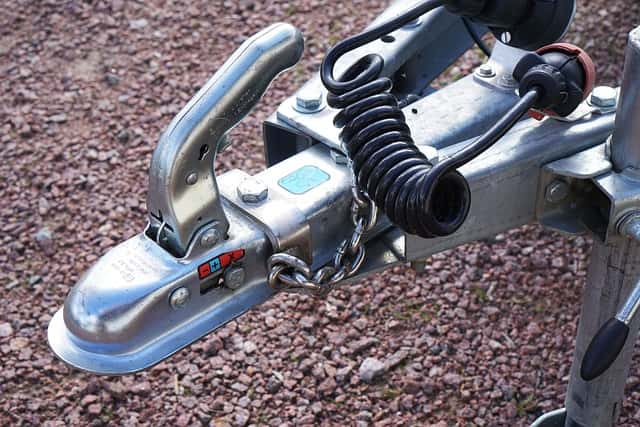
Image by TheDigitalWay is licensed with Pixabay License
Chevy’s Advanced Trailering System takes the guesswork out of connecting a trailer, especially when working by yourself. Several 2025 Silverado 1500 trims, including the LT Trail Boss, include an integrated trailer brake controller and on-screen guidance, known as Hitch Guidance with Hitch View, to help you see how the ball lines up with the coupler. Clear graphics and the 13.4-inch display make it easy to center the connection and monitor alignment.
Cameras also help with fifth-wheel setups by giving you a precise view of pin height, landing gear clearance, and chain routing. Even with advanced tech, beginners should take it slow and keep a foot ready over the brake.
Here are some recommendations for safer, smoother hitching:
- Verify the correct ball size (1 7/8-, 2-, or 2 5/16-inch).
- Match your drop or rise to keep the trailer level.
- Torque the ball mount hardware to specification.
- Cross safety chains under the tongue.
- Connect the breakaway cable properly.
- Test all lights.
Know the hitch class limits and be careful not to exceed them:
- Class I: 2,000 pounds
- Class II: 3,500 pounds
- Class III: 8,000 pounds
- Class IV: 10,000 pounds
- Class V: over 10,000 pounds
Be sure to clean your camera lenses before hitching up, keep your hands steady, and make adjustments a little at a time. Even with Chevy’s advanced trailering tools, you still need to pay close attention and use good judgment.
Trailer Profiles and Saved Settings for Consistent Connections
With Chevy’s Trailer Profiles, you can store a trailer’s type, length, light configuration, brakes, and gain settings for future use. To avoid mix-ups, name each trailer clearly; for example, “Lake Martin Bass Boat” or “Work Trailer.”
Profiles track mileage for each trailer, simplifying maintenance scheduling. For instance, grease-packed bearings need inspection and repacking every 12,000 miles/12 months or every six months under heavy use. Oil-bath bearings should also be checked before long trips, with oil changes every 50,000 miles or annually. Rotate tires every 5,000 miles, and replace them every three to six years regardless of tread.
Label physical keys, locks, and hitch components with the same profile name to prevent mistakes when switching trailers, especially before brake tests or light checks. If you manage fishing, work, and camping trailers, using Trailer Profiles reduces errors when you’re rushing to hit the road.
Integrated Tools for Control and Confidence
Chevy’s tow-assist systems, such as Trailer Sway Control, automatically tweak braking and power when your trailer starts to sway or lose traction. Towing features can help stop rollbacks on hills and control your speed going downhill. Transparent Trailer View uses multiple cameras to display a virtual image that makes your trailer appear invisible. Trailer lighting diagnostics, pretrip checklists, and towing-specific blind-spot warnings work together to make towing easier. But remember, no technology can overcome incorrect loading or poor tongue weight.
Integrated Trailer Brake Controller
When setting up your trailer brake controller, a typical starting gain range is 3-4.5 for light trailers, around 5 for medium weights, and 6-7.5 for heavier loads. Test your settings at 20-25 mph on an empty road by using the manual override, not your truck brakes. You’re looking for a smooth, controlled tug. Reduce the gain slightly in rainy weather since slick roads require less braking force.
Tire Pressure Monitoring System
The tire pressure monitoring system shows tire pressures and temperatures right on your dashboard, warning you about slow leaks or overheating before they become blowouts. When you get a warning, pull over and check the tire. Keep your electrical connections clean, check ground wires, test the breakaway battery monthly, and replace weak batteries before long or steep grades where electrical failures can become safety hazards.
Auburn Towing Tips
Follow these recommendations for smooth towing.
Use Tow/Haul Mode
This mode adjusts gear-shift timing when pulling weight, holds lower gears on hills, and uses engine braking to reduce wear on your brakes. This helps with smooth I-85 merging and gives better control on Auburn’s rolling terrain. On long descents, practice manual downshifting to let your engine handle most of the braking work.
Plan for Alabama Weather
Summer heat stresses cooling systems, weakens aging tires, and forces air conditioning to work harder. Schedule cooling-off stops, check trailer hubs for excess heat during breaks, and monitor gauges closely. In winter, expect lower battery performance, reduced tire pressure, and thicker fluids that make components work harder.
Use Caution in Wet Weather
Rain reduces traction, lengthens stopping distances, and can affect headlight and brake performance. Slow down in wet or windy conditions, maintain extra following distance, and avoid sudden lane changes.
Load Properly
Use the correct tongue weight, keeping heavy items low and forward of axle. Avoid tall or top-heavy loads in the rear.
Auburn Practice Route and Emergency Preparation
To build your towing skills and confidence, follow these guidelines.
Start With a Controlled Practice Route
Follow these steps:
- Use an empty parking lot for hookup practice.
- Move to quiet side streets.
- Merge onto I-85 to feel how the trailer behaves at speed.
- Use straight stretches to test brakes.
At Lake Martin boat ramps, keep the wheels straight, ease onto wet surfaces, engage Tow/Haul mode, apply light throttle, and avoid wheel spin. In a parking lot, set up cone courses to learn how the trailer tracks, and practice backing with the “hand at bottom of wheel” method.
Pack Emergency Essentials
Pack the following for emergencies:
- Flares/warning triangles
- Tire repair sealant
- 12V air compressor
- Tow straps
- Jumper cables
- LED flashlight with spare batteries
- Multitool
- Spare tire gear
- Fire extinguisher
- Blanket
- Work gloves
- Water and snacks
- Duct tape
- Your contact information
After your first trip, retorque trailer lug nuts at 50-100 miles, recheck straps and locks, and verify brake settings. Local practice builds the muscle memory you’ll rely on for towing in unfamiliar areas or on longer trips.
Get Professional Trailering Setup and Support
When you combine Chevy’s technology with proper loading, good tires, and smart driving, towing gets a whole lot less stressful. Just remember that features vary by model and year, so always check your specific VIN for exact ratings.
Want to get the most from your Chevy truck’s towing capabilities? Stop by Allen Turner Chevrolet of Auburn for personalized advice based on your truck’s VIN, professional accessory installation, and guided practice to build your towing confidence. Our team knows Auburn’s roads and can help you master your truck’s systems whether you’re new to towing or upgrading your current setup.
0 comment(s) so far on Advanced Trailering Tech: Hitch Guidance, Trailer Profiles, and Tow/Haul Best Practices