
Chevrolet All-Wheel Drive vs. Four-Wheel Drive: What’s Right for Auburn’s Roads?
If you’re shopping for a Chevy, it’s important to consider whether all-wheel drive (AWD) or four-wheel drive (4WD) is right for you. This guide will help you understand how these systems actually handle driving in Auburn and East Alabama — from wet I-85 merges to slick Lake Martin boat ramps and dusty hunting trails. Our team at Allen Turner Chevrolet of Auburn will match you with the right Chevy drivetrain based on your actual driving habits, not fancy marketing talk.
Chevrolet AWD vs. 4WD: How They Work and Feel
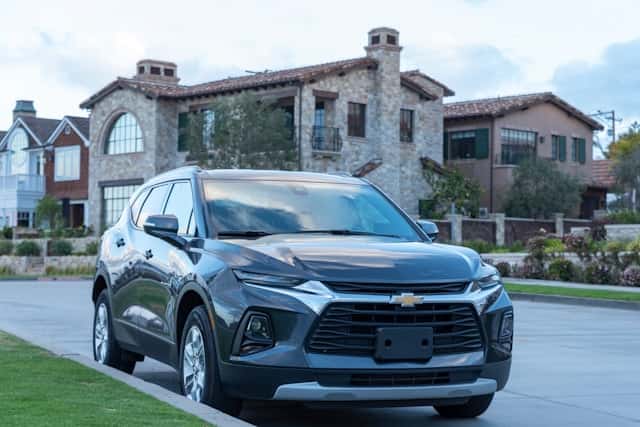
The AWD system acts like an invisible helper, automatically sending power where it’s needed without you having to lift a finger. You’ll spot this user-friendly system across Chevy’s SUV family, including the Trax, Equinox, and midsize Blazer.
Behind the wheel of an AWD Chevy, the system constantly watches for wheel slip and shifts power between front and back wheels. This makes AWD great for rain-soaked roads, patchy traction, and light gravel, where you want security without complications. The different drive settings add even more flexibility: Normal Mode saves gas during everyday trips, Snow/Ice Mode tweaks throttle response for better grip on slick surfaces, Off-Road Mode kicks in AWD and adjusts ABS for rough terrain, and AWD Mode splits power equally to all wheels for maximum traction.
4WD systems are typically manually engaged by the driver, sending power to all four wheels when it’s needed. It’s best used for off-roading where you might encounter severe terrain such as deep mud or rocky inclines. You’ll find 4WD in models such as the Chevrolet Silverado.
Auburn Reality: Rain, Heat, and the Occasional Slush Day
Auburn’s weather makes choosing between AWD vs. 4WD a matter of practicality, not just technical specs. I-85 and local Auburn roads need a reliable grip during frequent downpours. AWD excels in wet road conditions, reducing tire spin on slick markings and keeping you stable on slippery intersections.
Gravel driveways and slopes, which are common in Auburn neighborhoods, benefit from both systems. AWD handles most residential spots, while 4WD is great for rutted private roads or muddy job sites after storms. 4WD vehicles with good tires give better control on steeper ramps, while AWD is best for gentler slopes.
Both systems shine during Alabama’s rare winter events. AWD paired with three-peak mountain snowflake (3PMSF) all-weather tires grips slush and light snow blanketing Auburn, while 4WD provides extra bite on unplowed back roads to hunting spots. Humid climate and severe storms make traction systems valuable year-round, but tire choice matters as much as drive system selection.
Which Chevrolet Fits Your Life?
Daily I-85, College Street, and Opelika Road commuters benefit from AWD models such as the Equinox, Blazer, or Traverse. These deliver smooth town driving with rainstorm confidence. Family road-trippers who occasionally tow or launch boats need AWD vehicles such as the Tahoe or Suburban for stable highway handling and automatic grip.
If you’re looking for midsize hauling with towing, the Traverse handles 5,000 pounds with the standard Trailering package, while the Blazer manages 4,500 pounds with the V-6 upgrade. Regular towing, steeper boat ramps, and work sites require 4WD Colorado trucks, such as the WT, LT, Trail Boss, Z71, and ZR2 models.
Tires, Clearance, and Tow/Haul Features
Traction comes from rubber touching pavement, so good tires are crucial. On slick roads, an AWD SUV with worn all-season tires is beaten by a two-wheel-drive truck with fresh all-weather tires. All-weather tires have a 3PMSF symbol, which means they meet tough snow standards that typical all-seasons can’t match. Special rubber stays flexible in freezing temperatures while also handling the summer heat. AWD and 4WD systems need matching tires; mix-and-match sets stress differentials, transfer cases, and drivetrains, and tread depth differences of more than 2/32 inch can cause thousands of dollars in damage.
The Chevrolet Silverado’s advanced towing tech strengthens the 4WD advantage. The integrated trailer brake controller adjusts trailer brake force from the driver’s seat, while the trailer sway control automatically applies brakes or cuts engine power to steady wobbly trailers. Chevy’s Advanced Trailering System saves trailer profiles and monitors tire pressure and temperature, while Hitch Guidance with Hitch View helps you back up to trailers.
Cost, Care, and Efficiency
AWD typically cuts fuel economy by 1-2 mpg and bumps up the vehicle cost, while 4WD hits gas mileage harder and adds even more to the price tag. Always check the exact EPA ratings and pricing for your specific vehicle identification number (VIN), since options and packages can change these numbers significantly between seemingly identical vehicles.
Taking care of these systems is important, including regular tire rotations to keep all tires balanced and prevent drivetrain strain, proper wheel alignments for even tire wear, and scheduled fluid changes for differentials and transfer cases. Mismatched tires put stress on center differentials, transfer cases, and drivetrain parts, potentially causing AWD system damage that’ll set you back thousands in repairs. These complex systems make following the factory maintenance schedule even more critical than with basic two-wheel-drive setups.
Make the Right Choice for Your Auburn Adventures
If you often drive on I-85, AWD SUVs such as the Equinox, Trax, and Traverse are a great fit. For towing or work sites, 4WD trucks such as the Colorado Trail Boss/Z71 or a Silverado with advanced trailering features are your best bet. Consider the weight, tongue weight, and ramp steepness when choosing a 4WD vehicle. Rainy roads plus occasional dirt favor AWD with 3PMSF tires, while loose, steep, or deeply rutted conditions give 4WD the edge. Contact our team at Allen Turner Chevrolet of Auburn today to explore the Chevrolet lineup and find your drivetrain match.
0 comment(s) so far on Chevrolet All-Wheel Drive vs. Four-Wheel Drive: What’s Right for Auburn’s Roads?