
Chevrolet Blazer vs. Ford Edge: The Ultimate Showdown
Auburn drivers hunting for a new or used midsize SUV have two well-known options worth a closer look: the 2026 Chevrolet Blazer and the 2024 Ford Edge. Both deliver the everyday versatility Alabama families want for commutes, carpool runs, and weekend escapes. Below, we’ll break down the real-world differences in performance, space, tech, and value so you can confidently pick the right vehicle for your budget and lifestyle.
Want to skip straight to the fun part? Here are the fastest ways to take the next step:
- Browse New Blazer Inventory (see trims, pricing, and availability)
- Check New Vehicle Specials (offers change often)
- Value Your Trade (quick online estimate)
- Estimate Your Payment (down payment + term options)
- Apply for Financing (secure online form)
- Schedule a Test-Drive or call (334) 821-9001
An Overview of the Blazer vs. the Edge
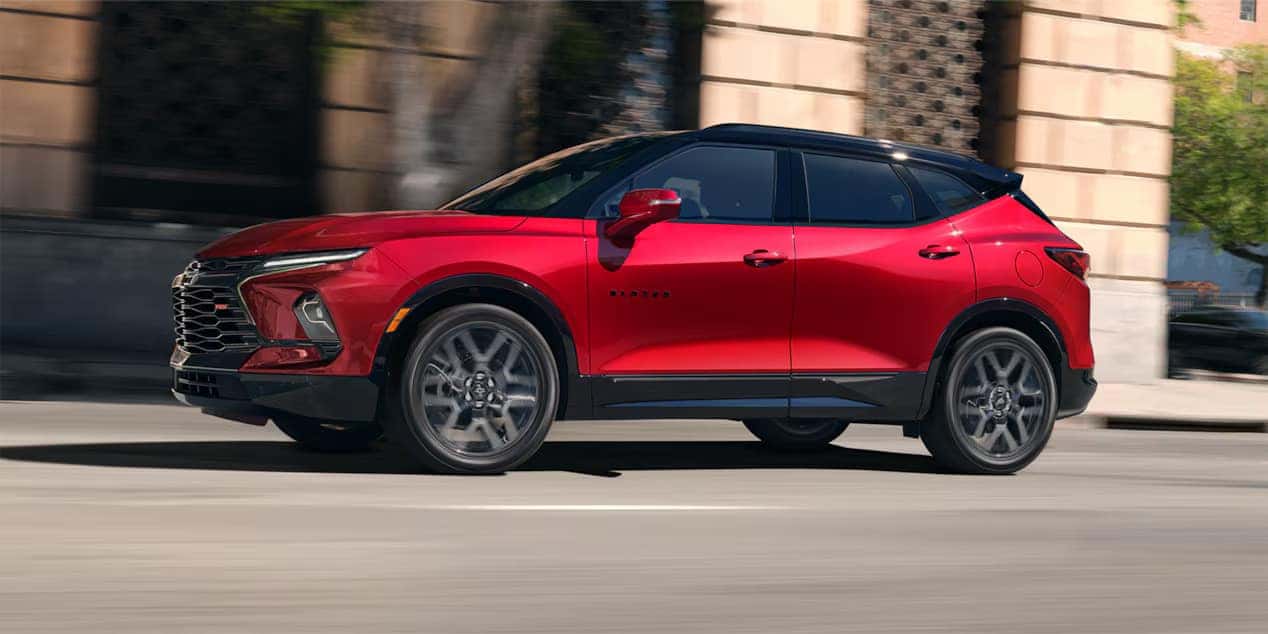
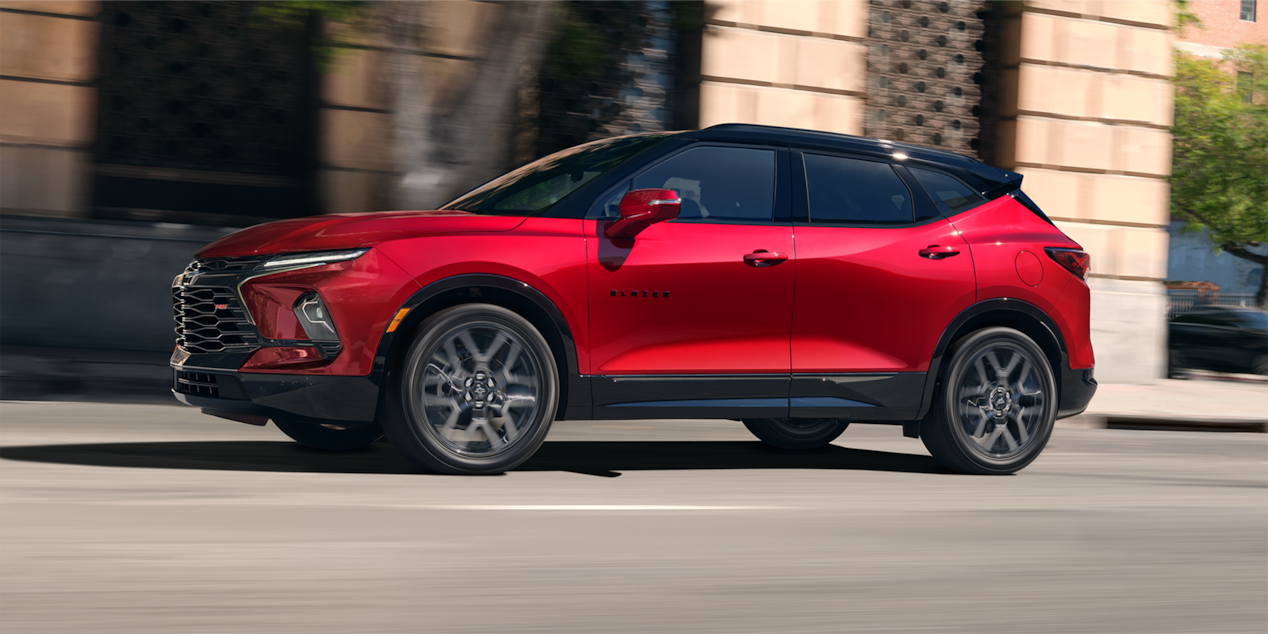
The Blazer and the Edge both sit in that “just right” midsize sweet spot: roomy enough for five, easy enough to live with every day, and capable enough for long-haul road trips. The biggest difference in 2026 is availability. The Blazer is current and easy to shop new, while Ford has announced the Edge is being discontinued (meaning you’ll typically shop the Edge on the used market). If you like the Edge’s comfort-focused personality, we can help you compare similar options in our used inventory and show you where the Blazer shines.
The 2026 Blazer leans sporty with bold styling and two engine choices: a standard 2.0L turbo and an available 3.6L V6. It also offers up to 4,500 pounds of max towing when properly equipped, which is a big deal if you’re hauling a small camper, utility trailer, or lake gear. The 2024 Edge is more about smooth, confident cruising with standard AWD and a reputation for easy daily comfort.
Quick Comparison Snapshot
| Category | 2026 Chevrolet Blazer | 2024 Ford Edge |
|---|---|---|
| Seating | Up to 5 | Up to 5 |
| Engine options | 2.0L turbo standard; 3.6L V6 available | 2.0L turbo standard; 2.7L V6 in ST |
| Max towing (when equipped) | Up to 4,500 lbs | Up to 3,500 lbs |
| Max cargo volume | 64.2 cu. ft. | 73.4 cu. ft. |
| Overall size | Longer footprint (sporty stance) | Slightly shorter (easy to park) |
Exterior Dimensions
If you spend a lot of time parking around Auburn University, squeezing into downtown spots, or navigating tight drive-thrus, exterior size matters. The 2024 Edge measures 188.8 inches long with a 112.2-inch wheelbase. The 2026 Blazer is a bit larger at about 191.9 inches long with a wheelbase around 112.7 inches. In day-to-day terms, the Edge feels a touch easier in tight parking lots, while the Blazer’s extra length contributes to its planted, sporty look.
Performance and Driving Experience
The Blazer is built for drivers who want confident acceleration and a more athletic feel. Chevrolet’s standard 2.0L turbo makes 228 horsepower and 258 lb-ft of torque, and the available 3.6L V6 bumps that to 308 horsepower and 270 lb-ft of torque. That V6 option is the one to look at if you like stronger passing power for I-85 merges or highway trips out toward Lake Martin.
The 2024 Edge is tuned for smoothness and daily comfort. Most trims use a turbo 2.0L that makes 250 horsepower and 280 lb-ft of torque, and the Edge ST upgrades to a twin-turbo 2.7L V6 with 335 horsepower and 380 lb-ft of torque. If you’re shopping Edge, you’ll likely be comparing used trims, so the exact feel depends heavily on which one you test-drive.
Capability and Towing
This is where a lot of Auburn buyers see separation. The 2026 Blazer can tow up to 4,500 pounds when properly equipped, which opens the door to more weekend toys and work needs. The 2024 Edge can tow up to 3,500 pounds when properly equipped with the right towing equipment. If towing is even “maybe someday,” it’s worth being honest about what you’ll pull and how often you’ll do it.
Planning to tow?
Start with the Blazer trims that match your goals, then let our team walk you through equipment and real-world setup. If you already have a trailer in mind, bring the details when you reach out—we’ll help you dial it in.
Technology and Connectivity
Both SUVs cover the basics most drivers expect today: smartphone integration, modern infotainment, and available driver-assistance upgrades. The difference is in how it feels to use. The Edge is simple and comfort-first. The Blazer’s cockpit has a sportier layout, and many drivers prefer the “driver-focused” feel behind the wheel.
If tech is a big part of your daily drive, the best move is to test-drive your top trims back-to-back. When you schedule a visit, we’ll show you the features in a way that’s actually useful—pair your phone, check visibility, try the camera views, and see how it all feels on familiar Auburn roads.
Interior Space and Comfort
Both models seat five and work well for families, commuters, and weekend travelers. The Edge is known for a roomy feel and strong cargo numbers, and with the rear seats folded it can reach up to 73.4 cubic feet of cargo space. The Blazer maxes out at 64.2 cubic feet of cargo space. If you’re the “Costco run + sports gear + luggage” type, the Edge’s cargo advantage is real.
That said, cargo space isn’t everything. The Blazer’s interior layout, available features, and driving feel often win buyers who want an SUV that feels a little more fun while still staying practical. If you want us to help you find the best match fast, start with Blazer inventory and tell us what matters most: space, towing, comfort, or budget.
Safety and Driver-Assistance Features
Both the Blazer and the Edge offer modern driver-assistance technology designed to help reduce stress on busy roads—think automatic emergency braking, lane-keeping assistance, blind-spot monitoring (availability varies), and helpful camera systems. Trim level matters a lot here, so if a specific feature is a must-have, we’ll make sure you’re looking at the right configuration before you fall in love with the wrong SUV.
Fuel Economy
Fuel economy depends on engine and drivetrain, but both SUVs land in a reasonable range for midsize options. The Blazer’s 2.0L turbo is rated up to an EPA-estimated 29 MPG highway in FWD form, while the available 3.6L V6 is rated up to an EPA-estimated 26 MPG highway (FWD). The 2024 Edge’s EPA fuel economy is commonly listed at 23 MPG combined for the 2.0L configuration. Your actual numbers will vary based on AWD, trim, driving style, and how often you’re in stop-and-go traffic around town.
Pricing and Value
If you’re comparing price, the Blazer is straightforward because you can shop it new right now. Chevrolet lists the 2026 Blazer starting at $34,300, and trim pricing steps up from there depending on features and drivetrain. The 2024 Edge started around $38,365 when new, but today your real-world pricing is typically based on used inventory, mileage, trim, and condition.
If you’re trying to make the monthly payment decision easier, these tools are a big help:
- Payment Calculator (try different down payments and terms)
- Value Your Trade (estimate your trade-in value online)
- What Is My Buying Power? (get a clearer budget target)
- Apply for Financing (secure online pre-approval form)
Making the Right Choice With Allen Turner Chevrolet of Auburn
Your “best” pick depends on what you value most. If you want a sportier feel, stronger available towing, and a current midsize SUV you can shop new today, the Blazer checks a lot of boxes. If maximum cargo space and a comfort-first ride are your priorities, the Edge can still be a strong choice—especially if you find the right trim in the used market.
If you’re ready to experience the Blazer in person, we’ll make it easy. Start with our new Blazer inventory, check current offers, and then contact us to schedule your test-drive. Prefer to start online? You can also use Shop Click Drive to begin the buying process from home.
FAQs: 2026 Blazer vs. 2024 Edge
Click a question to expand:
0 comment(s) so far on Chevrolet Blazer vs. Ford Edge: The Ultimate Showdown