
Signs Your Chevrolet Needs Brake Service
Keeping your Chevy’s brakes in great shape is one of the simplest ways to protect yourself and everyone riding with you. Brakes are your “no time to think” safety system—whether that deer jumps out on Wire Road or traffic stacks up fast on I-85. The good news is that brake trouble usually gives you warning signs before it turns into a bigger (and more expensive) problem.
If you want to take action now, here are the quickest options:
- Brake service information: Certified Service Brakes
- Schedule an appointment: Schedule Service
- Questions first? Contact Our Team
- Explore service options: Service Department
Understanding the Importance of Brake Maintenance
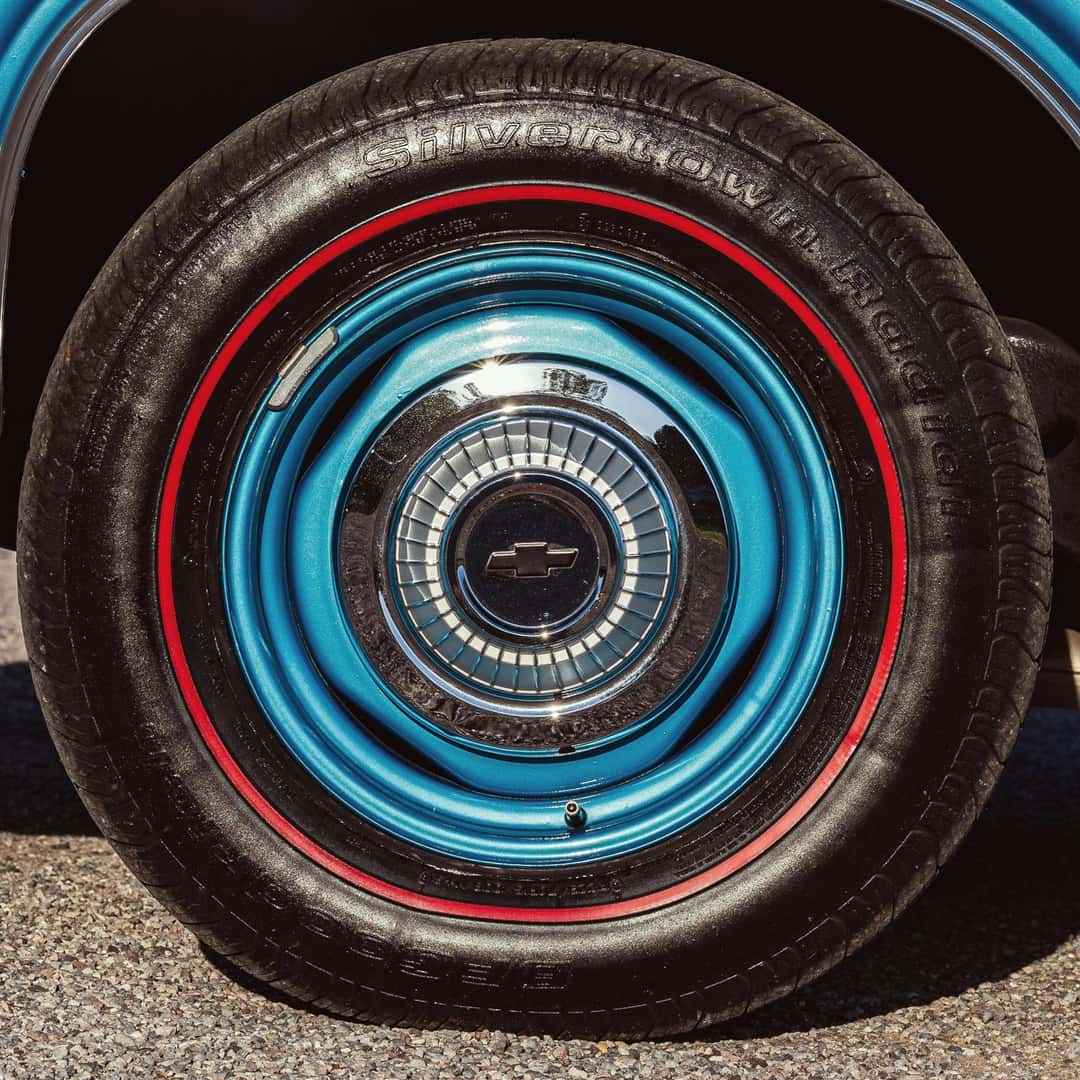
Brakes wear gradually, which is exactly why routine checks matter. The goal is to catch pad wear, rotor issues, or brake fluid concerns early—before you end up with longer stopping distances or damage that turns a simple service into a larger repair.
With good habits and regular inspections, many brake components can last tens of thousands of miles. Skip maintenance, and you’re more likely to replace parts sooner and spend more. You’ll also feel the difference in everyday driving: confident, smooth stops make the vehicle feel more stable and predictable in traffic.
If you’re not sure when your brakes were last inspected, that’s usually your sign to get them looked at. You can start here: Schedule Service.
Common Signs Your Chevrolet Needs Brake Service
Brake problems rarely show up out of nowhere. If you notice any of the signs below, it’s smart to get your Chevy checked sooner rather than later.
Squealing or Grinding Noises
A high-pitched squeal when braking often means the pads are getting low. Many pads include wear indicators designed to make noise as a warning. That sound is basically your brakes saying, “Please don’t wait.”
Grinding is a more urgent sign. It can mean the pad material is gone and metal is contacting metal, which can damage rotors quickly. If you’re hearing grinding, it’s time to stop driving the vehicle and get it inspected.
Soft or Spongy Brake Pedal
If the pedal feels mushy, sinks farther than normal, or feels inconsistent, the system may have air or moisture in the brake fluid, or a hydraulic component may need attention. A soft pedal can increase stopping distances, which is the last thing you want in Auburn traffic.
If the pedal suddenly changes, don’t “test it for a few days.” Get the vehicle checked right away.
Vibrations or Pulsing When Braking
A pulsing pedal or steering wheel vibration during braking can point to rotor issues (including warping), though other components can cause similar symptoms. This is common after repeated hard stops or heavy braking on long downhill stretches.
Even if it comes and goes, it’s worth inspecting early—because rotor wear can get expensive if ignored.
Car Pulling to One Side
If your Chevy pulls left or right when braking, you could be dealing with uneven pad wear, a stuck caliper, a brake hose issue, or fluid contamination. Tire pressure and alignment can also contribute, so it’s best to let a professional isolate the cause.
Brake Warning Light or ABS Light
If your brake system warning light or ABS light comes on, don’t gamble. Sometimes it’s a simple issue (like low brake fluid or a parking brake concern), but it can also indicate a problem that affects stopping performance. We recommend getting it diagnosed promptly.
Burning Smell
A burning smell after braking—especially after a long downhill drive—can mean overheated brakes. Pull over safely, let the system cool, and have the vehicle checked if the smell returns or braking feels different.
Puddles Under Your Car
If you see a clear-to-yellowish fluid that feels slippery under the car, it could be brake fluid. Do not drive the vehicle. Brake fluid leaks can lead to brake failure, and the safest move is to tow it in for inspection.
Preventive Measures and Maintenance Tips
A simple brake inspection schedule can prevent surprises. A good general rhythm is at least once a year or around every 12,000–18,000 miles, though you may want more frequent checks if you drive in heavy stop-and-go traffic, tow regularly, or take a lot of short trips.
- Avoid tailgating and sudden stops when possible (it saves pads and rotors).
- Don’t overload your vehicle—extra weight makes brakes work harder.
- Pay attention after heavy rain (Alabama moisture can accelerate wear and corrosion).
- If your steering wheel shakes during braking, don’t ignore it.
Not sure what your Chevy needs right now? Our technicians can take a look and explain what they’re seeing: Schedule Service.
What To Expect at a Chevrolet Brake Service Appointment
When you bring your Chevy in, our team inspects the full braking system—not just pads. That usually includes pad thickness, rotor condition, calipers, brake lines, and brake fluid condition. If something needs attention, we’ll explain what’s worn, what’s recommended, and what can wait.
Pricing varies depending on what your vehicle needs and what’s worn, but catching issues early usually keeps things simpler. We also recommend parts designed for Chevrolet vehicles (like GM Genuine Parts or ACDelco) for fit and performance.
If you want to start with the basics, visit our brake service page here: Certified Service Brakes.
Ensuring Your Safety on the Road: Schedule Your Chevrolet Brake Service Today
If you’ve noticed any warning signs—or you can’t remember your last brake inspection—now is the right time to get it handled. Our team at Allen Turner Chevrolet of Auburn works on Chevys every day, and we’ll help you get back on the road with confidence.
To get started, schedule your brake service or contact us with a quick question.
FAQs
Tap a question to expand the answer.
How often should I get my Chevy brakes checked?
A good general rule is at least once a year or around every 12,000–18,000 miles. If you tow, drive in heavy stop-and-go traffic, or notice any warning signs, it’s smart to check them sooner.
What does it mean if my brakes squeal?
Often it means the brake pads are worn and the wear indicator is doing its job. It’s best to schedule an inspection before it turns into grinding or rotor damage.
Is grinding when braking an emergency?
It can be. Grinding may indicate the pads are worn down to the metal backing plate, which can damage rotors quickly. We recommend not driving the vehicle and having it inspected immediately.
Why does my steering wheel shake when braking?
A shake or vibration can be caused by rotor issues or other braking components. It’s a common symptom, but it should be inspected early to avoid bigger repairs.
What should I do if the brake warning light comes on?
Treat it seriously. It could be something like low brake fluid, but it can also indicate a system issue that affects braking performance. It’s best to get a diagnosis as soon as possible.
How do I schedule brake service at Allen Turner Chevrolet of Auburn?
You can schedule online through our service form here: Schedule Service. If you have questions first, use Contact Our Team.
0 comment(s) so far on Signs Your Chevrolet Needs Brake Service