
Chevrolet Tire Care: Rotation, Alignment, and Replacement
Maintaining your Chevy’s tires is crucial for ensuring their safety and optimal performance. Good rotation habits, proper alignment, and timely replacements can enhance your vehicle’s handling and tire life span. In this article, our team at Allen Turner Chevrolet of Auburn provides some practical tips for keeping your Chevy’s tires in optimal condition.
Understanding Chevrolet Tire Care
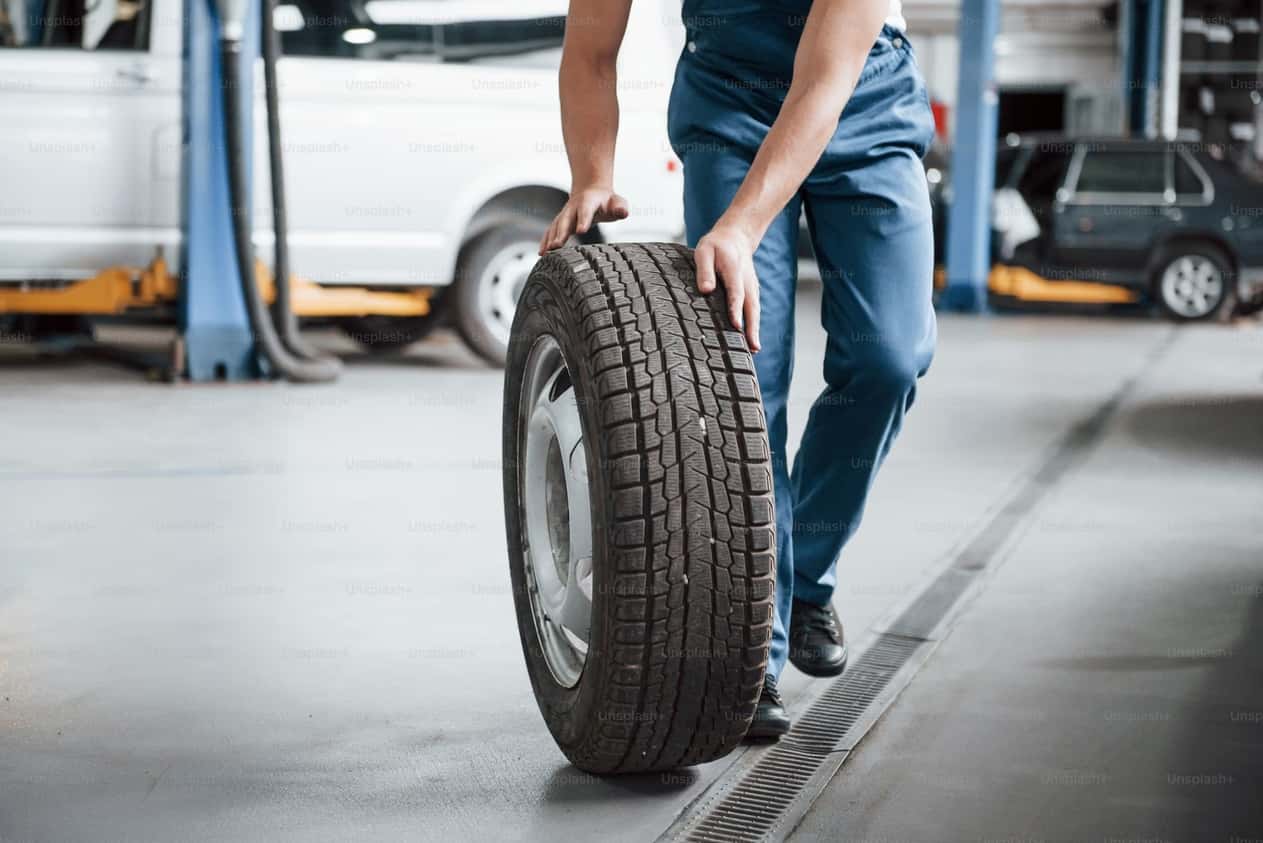
by Getty Images is licensed with Unsplash License
Good tire care, such as tire rotation, alignment, and replacement, helps to increase your fuel efficiency and performance. You should also ensure that your tires are properly inflated, typically between 30 and 35 psi. Check your tire pressure monthly to prevent uneven wear and blowouts. You should also regularly inspect your tire tread to identify small issues before they escalate into bigger problems. Worn tires can significantly affect traction and safety on the road.
Chevy Tire Rotation
A tire rotation involves moving your tires to different locations on your car. This basic service promotes even tire wear, extends their life span, boosts handling, and increases gas mileage. Chevy suggests that you rotate your tires every 5,000 to 8,000 miles, which is approximately twice a year.
Your tire rotation pattern depends on your Chevy’s drive system. For front-wheel-drive versions, the front tires go straight back, while the rear tires come forward and switch sides. Rear-wheel-drive models use an opposite pattern. If you have an all-wheel-drive vehicle, you’ll need more frequent rotations, typically every 3,000 to 5,000 miles, since all four tires work harder. If you skip rotations, your tires will wear faster, especially in all-wheel-drive models where even wear is crucial.
Chevy Wheel Alignment
Unaligned wheels cause your car to pull to one side, as well as uneven tire wear and a crooked steering wheel when driving straight. Wheel alignment involves three main angles. Camber is the wheel tilt from the front view, caster denotes the steering axis angle, and toe refers to whether the wheels point inward or outward from above. Neglecting regular wheel alignment reduces your fuel efficiency and safety and increases tire wear.
Unlike oil changes, Chevy doesn’t set a strict timeline for alignments. Watch for warning signs and schedule a checkup if you hit major potholes or curbs.
Chevy Tire Replacement
Most tires last between 25,000 and 50,000 miles or roughly two to five years. Watch for uneven patches, bald spots, or insufficient tread depth. You should also inspect the inner walls for damage to prevent blowouts.
For optimal results, replace all four tires simultaneously, especially on all-wheel-drive vehicles. This maintains balanced performance across all wheels. When shopping for tires, consider your typical driving conditions and Auburn’s weather patterns. Select the correct size and load rating for your specific Chevy model. You should also have your tire pressure monitoring system checked after changing your tires to make sure it works properly.
Additional Tips for Chevrolet Tire Care
Check your tires regularly for uneven wear patterns, damage, and correct tread depth. When measuring pressure, always check cold tires for accuracy. Avoid potholes, sudden acceleration, and hard braking. Living in Auburn means dealing with changing seasons. Winter tires make a significant difference in cold weather, reducing stopping distances by a substantial margin compared to all-season options. If you’re unsure about which tires you need, our professionals at Allen Turner Chevrolet of Auburn will be happy to help.
You can also consider Chevrolet’s Certified Service protection plans for tires and wheels. These plans run for up to seven years and cover damage from nails, glass, and potholes. You’re even covered for tire pressure monitoring system damage due to road hazards.
FAQ
How Often Should You Rotate Your Chevrolet’s Tires?
Most Chevys require rotation every 5,000 to 8,000 miles, approximately twice a year. All-wheel-drive models need more frequent rotation at 3,000- to 5,000-mile intervals.
What’s the Difference Between Tire Rotation and Wheel Alignment?
Rotation means moving tires to different positions to promote even wear. Alignment adjusts the wheel angles to make sure they’re correctly positioned relative to each other and the road.
Do You Need Alignment After Rotating Your Tires?
Not automatically since they’re separate services. But regular alignment checks make sense, especially if you notice pulling to one side or uneven wear.
How Do You Know If Your Chevrolet Needs New Tires?
Look for uneven wear, a tread depth of 2/32 of an inch or less, visible damage, or tires older than five years. Most tires last between 25,000 and 50,000 miles, depending on your driving habits and location.
Can You Mix Different Tire Brands or Types on Your Chevrolet?
This is not recommended, especially on the same axle. Using matching tires on all wheels provides consistent handling and braking.
How Do You Reset the Tire Pressure Monitoring System After Rotating or Replacing Tires?
It varies by Chevy model. Some can be reset through the control panel, while others need special tools or a quick drive to recalibrate. Check your owner’s manual or ask the techs at your dealership.
Expert Chevrolet Tire Care at Allen Turner Chevrolet of Auburn
If you’re in Auburn, Alabama, we invite you to visit us for all your tire needs, including thorough inspections, pressure checks, rotations, balancing, alignment, and replacements. Our knowledgeable technicians will provide you with expert advice for your specific model. We also offer free tire inspections during regular service visits.
Regular maintenance prevents small issues from escalating into bigger problems. Contact us today to book your next service.
0 comment(s) so far on Chevrolet Tire Care: Rotation, Alignment, and Replacement