
Essential Chevy Maintenance Tips for Alabama’s Changing Seasons
Seasonal Chevy Maintenance Tips for Auburn, AL
Alabama weather throws a lot at your Chevrolet: spring pollen, summer heat waves, fall storms, and winter cold snaps. Without proper care, you can be facing costly repairs right when you need your car most. A good seasonal maintenance plan, together with professional service, saves you cash, prevents roadside emergencies, and keeps you confident on the road — whether you’re stuck in I-85 traffic, headed to Lake Martin, or fighting through Auburn’s game-day crowds.
Year-Round Basics That Pay Off
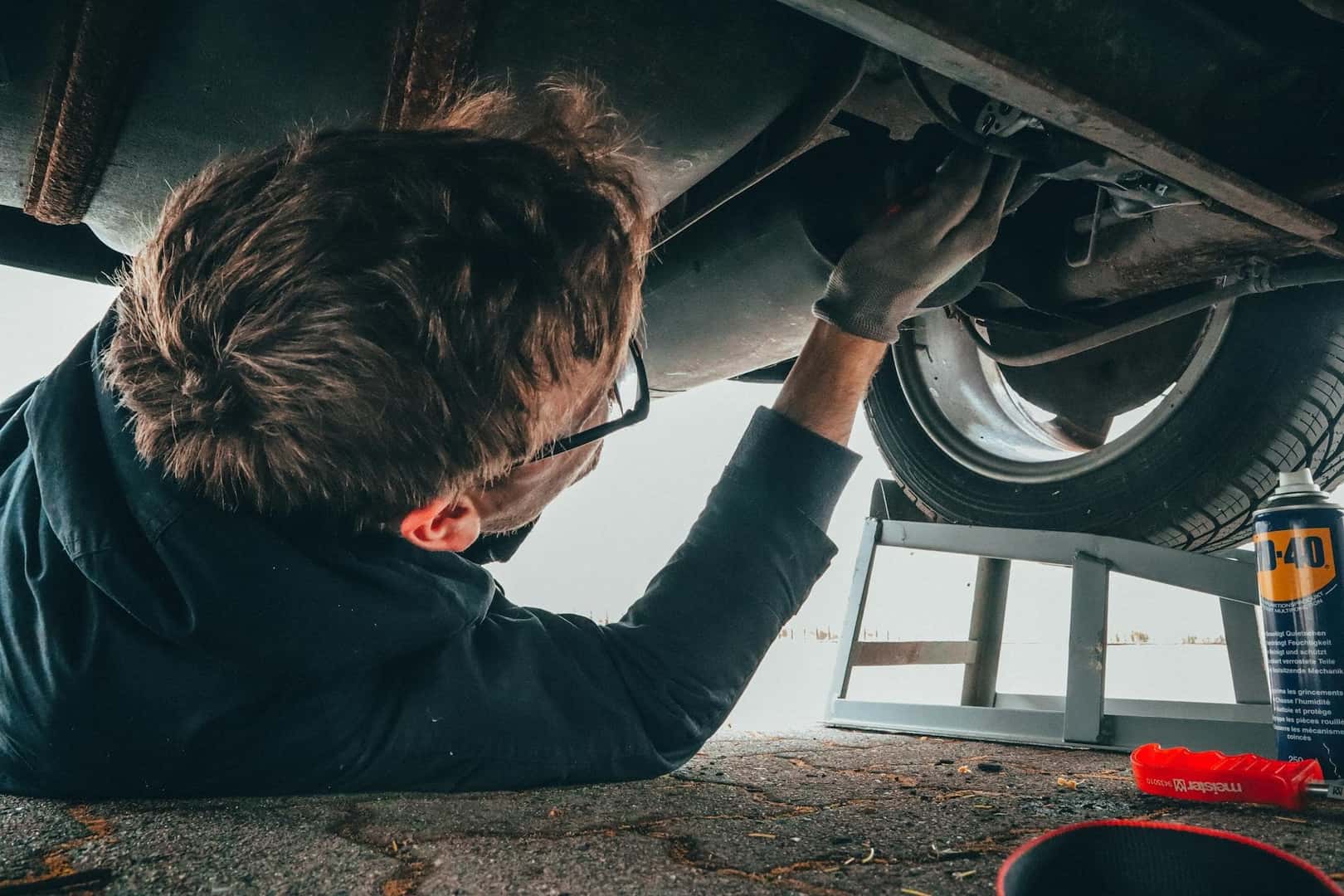
Smart Chevy owners know skipping maintenance can be costly. Americans spend about $2,000 yearly on car upkeep, with repair costs up 32% since 2019. Skipping a $35 oil change every 5,000 miles can leave you paying for a $10,000 engine replacement. Cars with good maintenance records also retain 15%–20% more value when sold. Given Auburn’s stop-start traffic and dusty roads, follow your owner’s manual for “severe” conditions to plan the best maintenance schedule for your Chevy.
Spring in Alabama — Pollen, Rain, and Road Trips
Spring pollen can seriously affect your cabin air. Replace your cabin filter before early April to improve air quality and AC performance, and wash your car regularly to protect paint and seals.
Spring rain means you’ll want strong tire tread. While the legal minimum is 2/32 inches, more tread helps channel water and reduce hydroplaning risk during Alabama downpours.
Spring is also a great time to rotate your tires and check alignment after winter potholes. Proper alignment keeps highway tracking straight and prevents premature tire wear.
Summer Heat — Cooling System and AC Are Crucial
Southern summers routinely hit the 80s and beyond, and parked cars can heat up fast. Keep things cool and reliable by:
- Checking coolant regularly.
- Inspecting hoses for cracks or bulges.
- Clearing radiator fins of bugs/debris to maintain airflow.
- Replacing cabin filters.
- Getting the AC checked if it’s weak or has odd odors.
Monitor tire pressure as temps rise (use the door-jamb spec, not the sidewall), inspect tires after long drives, and watch oil, coolant, brake fluid, and washer fluid levels.
Fall Football and Storm Season — Brakes, Lights, and Traction
Game-day traffic means heavy braking. Have pads and rotors inspected and note typical pad life:
- Organic: ~20,000 miles
- Semimetallic: ~30,000–60,000 miles
- Ceramic: ~70,000 miles
Shorter days demand strong lighting. Test headlights, taillights, signals, and hazards; clean cloudy lenses and replace burned-out bulbs immediately.
Before storms and holiday trips, confirm tire grip, test defrosters/wipers, and ensure your TPMS is working as temperatures swing.
Winter Cold Snaps — Be Ready for Freezing Mornings
Cold weather reduces efficiency for all vehicles. EVs often lose range in the cold, while gas mileage dips with winter fuel blends.
Test your battery and replace it if weak—dead batteries are the top cause of winter no-starts. Clean corrosion and check connections. Plan extra charging for EV winter trips.
Check tire pressure weekly in cold spells, pack an emergency kit (jumper cables, flashlight, gloves, rain gear, portable inflator), test heat/defrost early, and switch to winter washer fluid.
Chevy-Specific Notes
Chevy trucks and SUVs may need tougher service intervals, especially if you tow or haul. For Equinox owners, for example:
- Replace cabin air filter every 22,500 miles/24 months.
- Change transmission fluid at 45,000 miles.
- Replace spark plugs and check wires at 45,000 miles.
For AWD models, change rear axle fluid every 75,000 miles and replace coolant every six years or 150,000 miles.
Electric Chevys (Bolt EUV, Silverado EV) weigh more, so rotate tires every 5,000–7,500 miles. To protect battery health, keep charge between ~20%–80% when possible, and avoid extended time at 0% or 100%.
EVs still need coolant checks for battery thermal systems—inspect every 7,500 miles or yearly, and replace around 150,000 miles or five years.
Keep Your Chevy Running Strong in Every Alabama Season
Seasonal car maintenance in Alabama doesn’t need to be a hassle. These preventive steps help you avoid breakdowns and save on repairs. If you’re looking for Chevy maintenance in Auburn, contact us at Allen Turner Chevrolet of Auburn to have your vehicle inspected by skilled experts who know it inside and out.
0 comment(s) so far on Essential Chevy Maintenance Tips for Alabama’s Changing Seasons