
Winter Tire vs. All-Season Tire: Which Is Right for Your Chevy in Alabama?
Frosty Alabama mornings, unexpected ice patches, and torrential rains can make your daily Auburn commute challenging. Whether you’re traveling on I-85 to Montgomery before sunrise or heading for a getaway at Cheaha State Park, choosing the right tires for your vehicle significantly affects your safety during the winter months. Explore our guide as we compare winter tires vs. all-season options for Alabama driving.
Winter vs. All-Season: What’s the Real Difference?
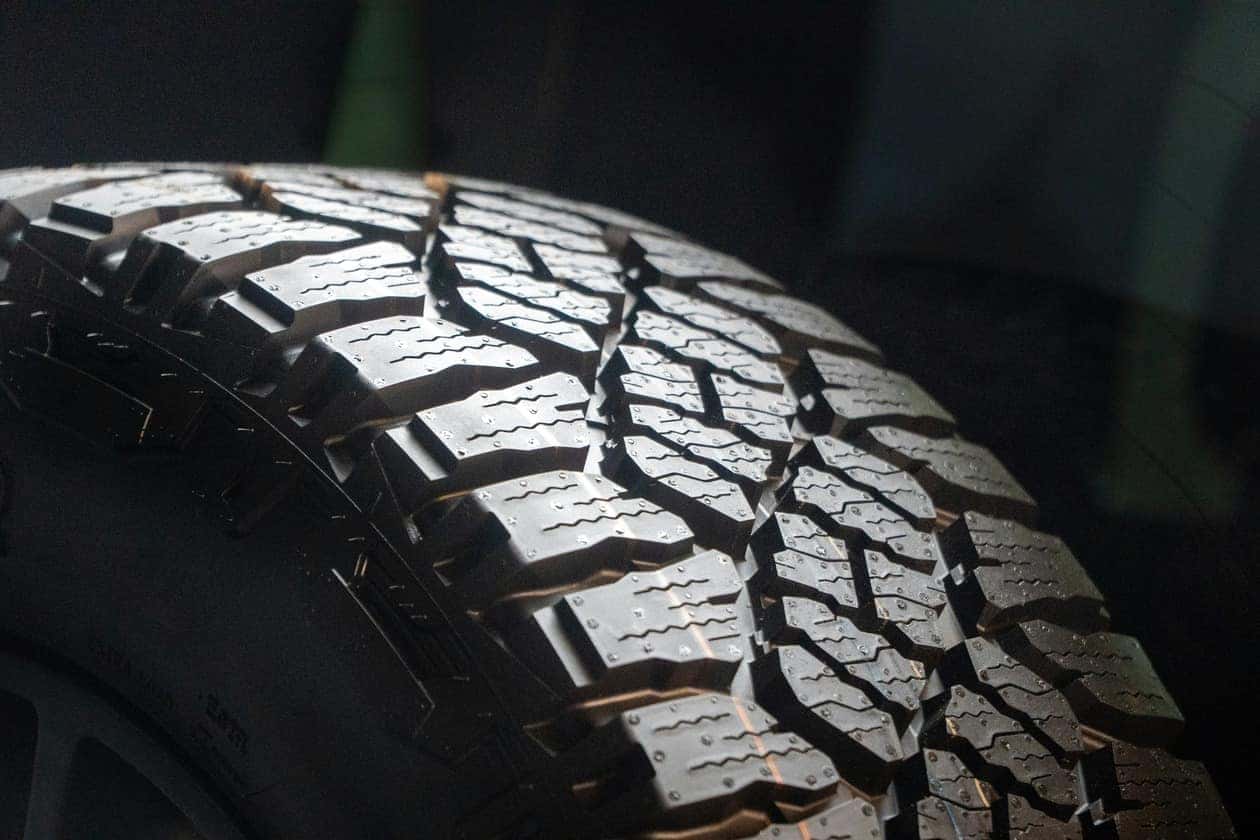
Winter tires are made of natural and synthetic rubber, along with additives that remain flexible when temperatures drop, providing improved cold-weather grip and offering excellent traction on icy, snowy, or slushy roads.
All-season tires feature a rubber compound that balances performance in most seasonal weather. They work well above 45 degrees Fahrenheit due to their soft rubber, but once the temperature drops below that, which is typical for Auburn in January, these tires struggle on ice or snow.
Choosing tires with specific markings helps ensure your winter driving safety. The Three-Peak Mountain Snowflake (3PMSF) symbol indicates that the tire meets particular requirements as a traction tire. All-weather tires, which combine the advantages of winter and all-season tires, carry this 3PMSF mark. An M+S, or Mud and Snow, label distinguishes tires based on their tread design without the specific testing required for the 3PMSF symbol.
When Winter Tires Make Sense in Alabama
Although our Alabama winters are generally mild, the weather can change quickly. Winter tires provide noticeably better stopping and steering control, making them a good option if you travel on shady routes in the early morning, live in hilly areas that ice over, or frequently head to the mountains for scenic drives.
An all-wheel-drive vehicle can make a difference on your daily commute, but choosing the right tires for safe handling, stopping, and turning is crucial. Winter tires steer much better on cold, slick roads.
When All-Season Tires Are Ideal
All-season tires are generally sufficient for typical Alabama winter driving, providing solid wet-road grip, a comfortable ride, and a longer tread life. They can manage rain, light snow, and dry roads without requiring you to swap tires with the seasons.
Rain, Cold, and Safety: What Matters Most
Alabama’s biggest winter driving challenge is heavy rain. Good tires feature a tread design that channels water away to fight hydroplaning. Worn or under-inflated tires increase your risk of hydroplaning during downpours, so be sure to regularly check for proper tire tread depth and inflation.
Cold weather drops tire pressure by about 1 psi for every 10-degree Fahrenheit temperature drop, so you’ll need to do more frequent pressure checks during Alabama’s variable winter weather. Your vehicle’s tire pressure monitoring system (TPMS) alerts you when the tire pressure drops too low. If your Chevrolet’s TPMS needs resetting, our service team can take care of that during rotations or seasonal tire swaps.
Chevy-Specific Considerations (Trucks, SUVs, EVs)
Each Chevy model has specific tire needs. Heavier trucks, such as the Silverado, need proper tires in cold weather, especially when towing a trailer. The Tahoe, Suburban, and other larger SUVs have different specs, so it’s best to check your owner’s manual.
Electric vehicles (EVs) need special attention. The Bolt EUV and Silverado EV need tires that handle instant torque and battery weight, making proper load index and low-rolling-resistance options vital.
Cost, Convenience, and Maintenance
Tire costs go beyond the upfront price. Choose one all-season set or winter tires and a summer/all-season set for seasonal swapping. Two sets cost more initially, but they stretch the total tread life since each wears less per year.
Regular care ensures your vehicle’s tires perform at their best. Rotate the tires every 5,000 to 7,500 miles, timing it with oil changes, to prevent uneven wear and early replacement. Proper alignment prevents premature wear, poor handling, and wasted gas. Watch for pulling, off-center steering, or vibrations, which indicate the alignment is off.
Proper storage between seasons makes changing the tires easier and extends their life. Clean the tires with a tire brush and warm water, dry them thoroughly, add a rubber protectant if desired, then store them in a cool, dry spot away from the heat. Tire racks allow for vertical storage, saving floor space and improving air circulation.
Make the Right Choice for Your Auburn Driving Needs
Your tire choice should match your driving style and Auburn’s climate. If you’re unsure what’s best for your specific Chevy model, you can contact us or schedule a visit with our Allen Turner Chevrolet of Auburn team for a tire consultation. We’ll examine your current tires, discuss your driving patterns, and suggest the right solution for your vehicle and budget. We’ll cut through the confusion about what your Chevy needs, whether that’s all-season reliability, winter grip, or all-weather convenience, and we’ll take care of installation and rotation scheduling.
0 comment(s) so far on Winter Tire vs. All-Season Tire: Which Is Right for Your Chevy in Alabama?